
Make It
Last Forever.
The architect of New Jack Swing finally opens the vault. Four cinematic hours woven between past, present, and future. Unseen footage. Untold stories. The man who taught a generation to slow down — in his own words, across time.
Not a documentary. Not a biopic.
An interactive film — weaving past, present, and future into one continuous thread. Re-enactments, b-roll, voiceover, and docu-style observation braid together so the story moves like memory: non-linear, emotional, alive.
Four crafts, one cinematic language.
Time-weaving narrative
Past, present, and future cut against each other. A memory triggers a re-enactment; a present-day confession rewinds to the source.
Scripted re-enactment
Pivotal moments dramatized with a feature-film cast and crew. Biopic energy inside a doc.
Archival + B-roll
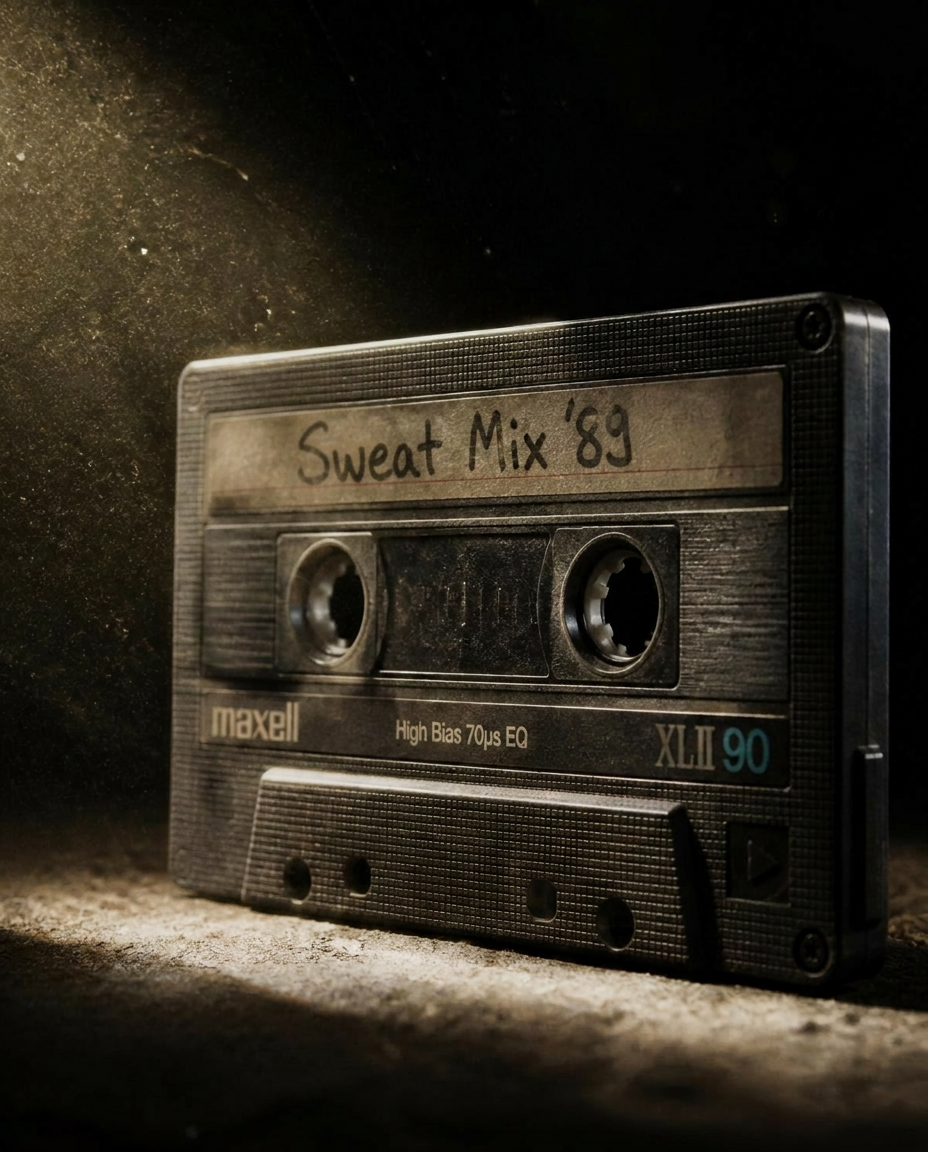
2000+ hours of unseen home video, masters, and Polaroids from Keith's personal vault, threaded with present-day vérité b-roll.
Voiceover as narrator
Keith's voice guides the viewer through memory, confession, and foreshadowing — turning narration into a living score.
Docu-style vérité
Unscripted present-day footage — studio sessions, family moments, design walks — captured as it happens, then braided into the narrative.
When the song becomes the scene.
Each episode is built around a single record, but the timeline is never straight. A lyric from 1987 lands over a present-day walk-through; a 2026 studio session rewinds to the basement where the demo was born. The catalog isn't referenced — it's re-cinematized across time.
Stems, not needle-drops
Multi-track masters unlocked from Elektra's vault. We separate Keith's vocal from the bed and rebuild it under image — a sonic privilege almost no doc has had.
Score as narrator
An original orchestral score (Grammy-winning composer attached) interpolates the hooks themselves — turning melody into memory cue.
Performance as catharsis
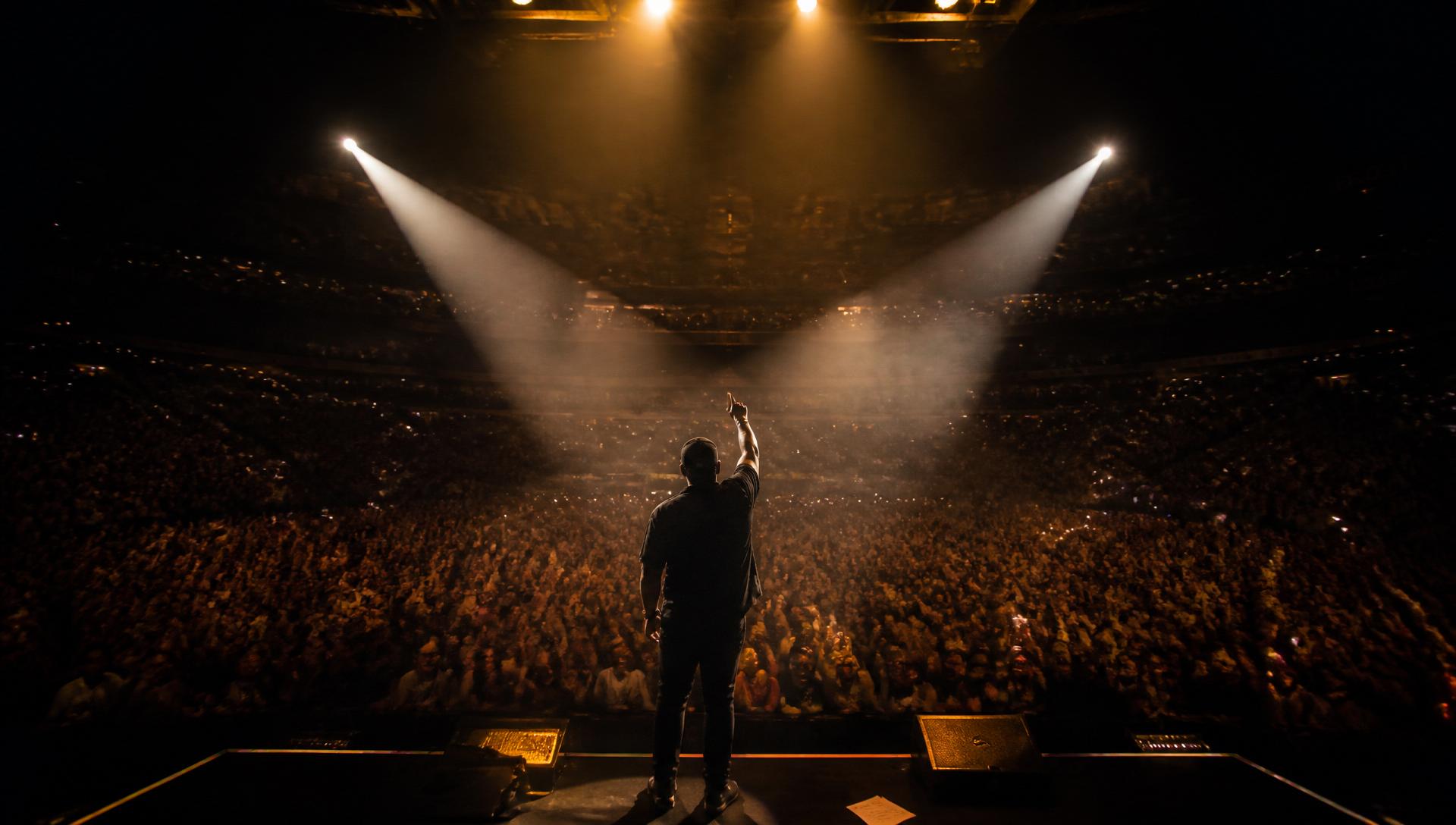
Each episode closes with one full-length performance — sometimes archival, sometimes new, always uncut. The song carries the credits.
Soundtrack as IP
An accompanying 8-track companion album of re-recordings & remixes. A second monetization layer. A Grammy lane on top of the Emmy lane.
Four parts. One life.
Format: 4 parts × 52–55 minutes. An interactive film that blends scripted dramatic recreations, archival photographs, rare footage, personal interviews, and live performances into a single non-linear experience.
The story moves like a record on shuffle: a present-day confession opens a door to the past; a childhood flash-forward illuminates a future decision. Keith's voiceover threads the b-roll, the re-enactments, and the docu-style observations into one braided timeline.
- 01
Harlem Boy / Wall Street, 9 to 5
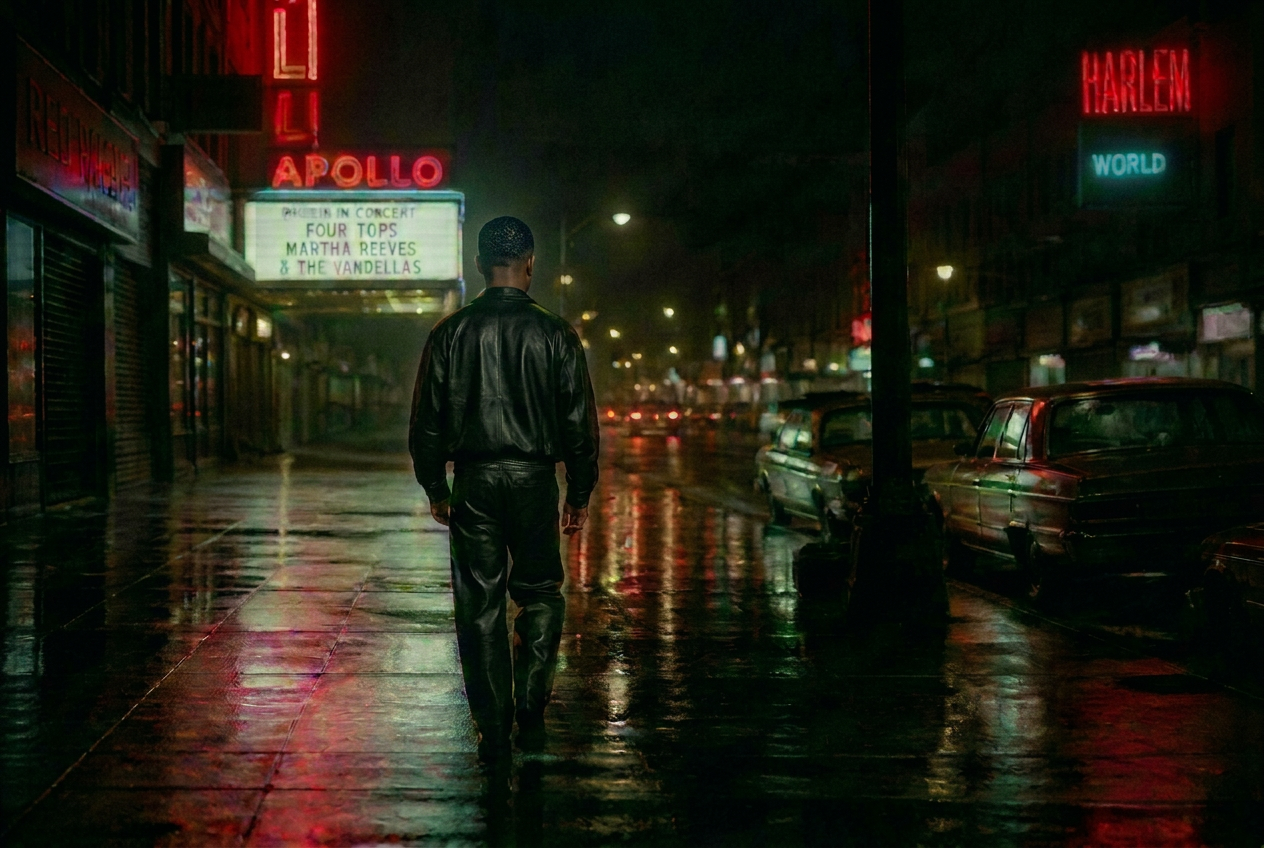
We open in the present — Keith walking the Harlem blocks he once dreamed of escaping — then cut to the past: a kid with a notebook of love letters he couldn't send, a broker's assistant by day, a closet-studio dreamer by night. Voiceover braids the two eras together, revealing how the eye for rooms, buildings, and blocks birthed both a sound and a lifelong passion for design.
55 min - 02
I Want Her / Make It Last Forever
A 2026 studio session becomes a portal to 1987. The night Teddy Riley walked in. The riff that rewrote R&B. The birth certificate of New Jack Swing — and a debut album that goes triple platinum while the industry scrambles to catch up. Re-enactments, archival b-roll, and Keith's narration weave the breakthrough across then and now.
55 min - 03
The Sweat Hotel / Twisted
Inside the Atlanta compound where he produced Silk, Kut Klose, and a generation of slow jams — a house Keith designed and renovated himself. Then 1996: the comeback nobody saw coming, and the personal storm behind the biggest hit of his career. The episode cuts between the single-father journey, the boardroom battles, and the design work that kept him grounded.
54 min - 04
The Sweat Hotel / Last Forever
Late nights, lonely callers, and how a radio show became America's confessional booth. Four decades in — the candle line, the Platinum Status bag, the real-estate flips, the renovations, the legacy. Past losses echo under present triumphs; future plans surface in quiet asides. The finale is not an ending — it's a promise to keep building.
53 min
The witnesses.
An interview roster spanning four decades of R&B, hip-hop, and the architects who shaped both. Confirmed and in-conversation.
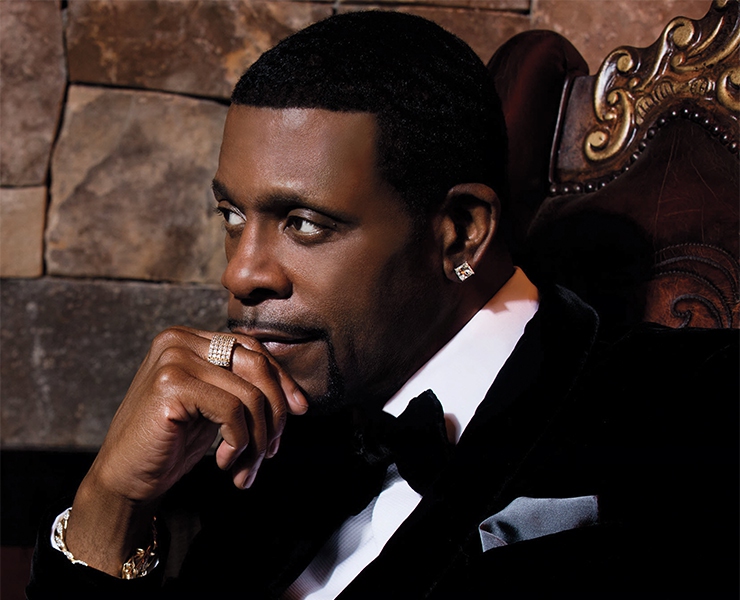
- 01Keith Sweat
- 02Teddy Riley
- 03Heavy D (archival)
- 04Babyface
- 05Mary J. Blige
- 06Usher
- 07Donnie Simpson
- 08New Edition
- 09SWV
- 10Snoop Dogg
- 11Juanita Sweat (mother)
- 12Ginuwine
Built for the podium.
Theatrical-qualifying run in NY + LA. Festival premiere targeted at Sundance / Tribeca / TIFF Docs. Streaming bow timed to Q4 awards corridor. The catalog provides Grammy eligibility independent of the series itself.